For Whom The Trigger Warns: The Effects of Trigger Warnings on Avoidance and Morbid Curiosity
Background
Study Framework: Based on Bridgland et al. (2022), examining avoidance behaviors, the efficacy of warnings, and “morbid curiosity” as a potential coping mechanism for anxiety.
Trigger Warnings and Avoidance: Bridgland et al. (2022) found that trigger warnings did not significantly influence avoidance behavior, suggesting limited effectiveness.
Anxiety Measurement: Utilizes the Spielberger State-Trait Anxiety Inventory (STAI) to assess both state and trait anxiety levels.
Research Focus: The efficacy of trigger warnings and content warnings on sensitive content.
Research Finding: Trigger warnings were ineffective and did not significantly affect responses to negative material.
Research Source: Bridgland, et al. 2023.
Stimuli
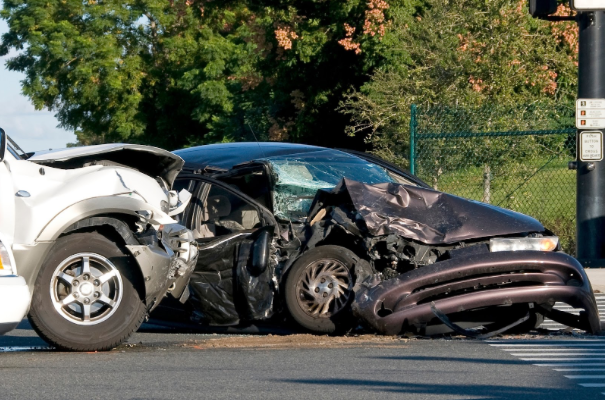
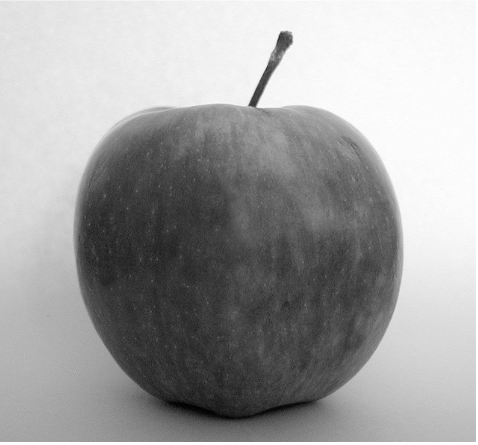
Stimuli were taken from Google searches using keywords such as ‘violent’, ‘disgusting’ and ‘neutral’.

Hypotheses
H1: Participants higher in morbid curiosity will choose to unblur the image more than those who score lower in morbid curiosity
H2: Participants will, on average, choose to view more pictures when they are presented with a trigger warning compared to when they are not.
H3: Participants will choose to view more images in the Graphic conditions compared to the Control/Neutral condition.
References
Bridgland, V. M. E., & Takarangi, M. K. T. (2021). Something Distressing This Way Comes: The Effects of Trigger Warnings on Avoidance Behaviors in an Analogue Trauma Task. Behavior Therapy, 53(3)
Bridgland, V., Jones, P. J., & Bellet, B. W. (2023). A Meta-Analysis of the Efficacy of Trigger Warnings, Content Warnings, and Content Notes. Clinical Psychological Science, 12(4)
Bellet, B. W., Jones, P. J., & McNally, R. J. (2018). Trigger warning: Empirical evidence ahead. Journal of Behavior Therapy and Experimental Psychiatry, 61, 134–141
Jones, P. J., Bellet, B. W., & McNally, R. J. (2020). Helping or harming? The effect of trigger warnings on individuals with trauma histories. Clinical Psychological Science, 8(5), 905–917
Nolan, H., & Roberts, L. (2023). Trigger warnings as tools for learning—theorising an evolving cultural concept. Medical Education, 58(2).